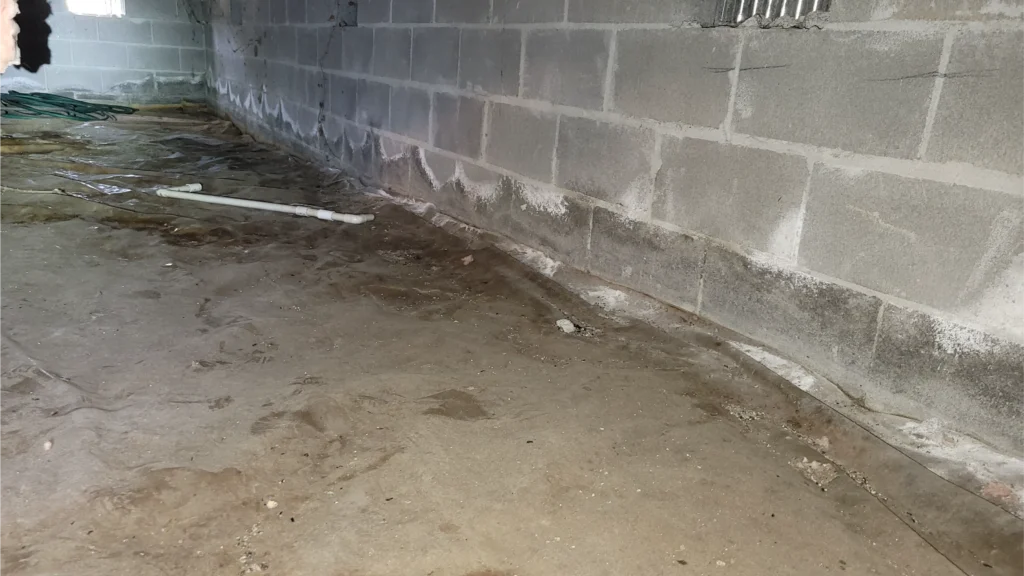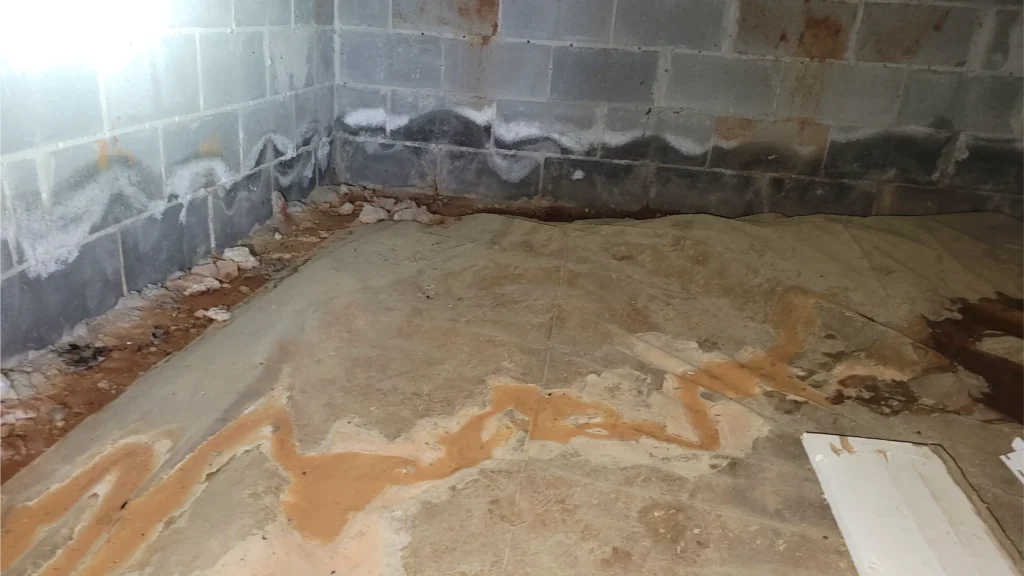
Crawl spaces often go unnoticed in the daily upkeep of a home, but in Georgia, they are one of the most vulnerable areas when it comes to moisture problems. Because of the region’s humid summers, red clay soil, and traditional vented foundations, water and humidity have countless opportunities to invade. Left untreated, crawl space moisture doesn’t just stay under the house; it eventually affects the air quality, structural integrity, and comfort of the home above, which is why crawl space moisture control in Georgia is essential.
This guide from Central Georgia Crawlspace breaks down why moisture is so common in Georgia crawl spaces, how to recognize the warning signs, what causes the issue, and the best long-term solutions to keep your home protected.
Why Moisture Is a Common Problem in Georgia Crawl Spaces
Georgia’s environment is the perfect storm for crawl space moisture issues. The summers are notoriously humid, with hot, damp air circulating around and seeping into vented crawl spaces. This humid air condenses when it hits cooler surfaces like HVAC ducts or floor joists, leaving behind moisture.
The soil type adds another complication. Much of Georgia is built on dense red clay, which doesn’t allow water to drain quickly. During rainy seasons, water tends to pool instead of dispersing, creating a damp environment under homes.
Finally, many older homes throughout the state still rely on vented crawl space designs that were once thought to help with airflow. In reality, vents invite in even more humid air, adding to the moisture problem. All these factors combine to make crawl space moisture one of the most widespread issues homeowners in Georgia face.
How to Tell If Moisture Is Hiding Below Your Home
Most homeowners don’t spend much, if any, time in their crawl space, which means moisture problems often go unnoticed until the effects begin to surface inside the home. The warning signs are subtle at first but become clearer as conditions worsen.
One of the earliest and most common indicators is a persistent musty odor. This smell typically drifts up from below the house and lingers in living areas, closets, or hallways. It is caused by dampness and microbial growth in the crawl space and doesn’t go away with air fresheners or cleaning because the source lies beneath the floors.
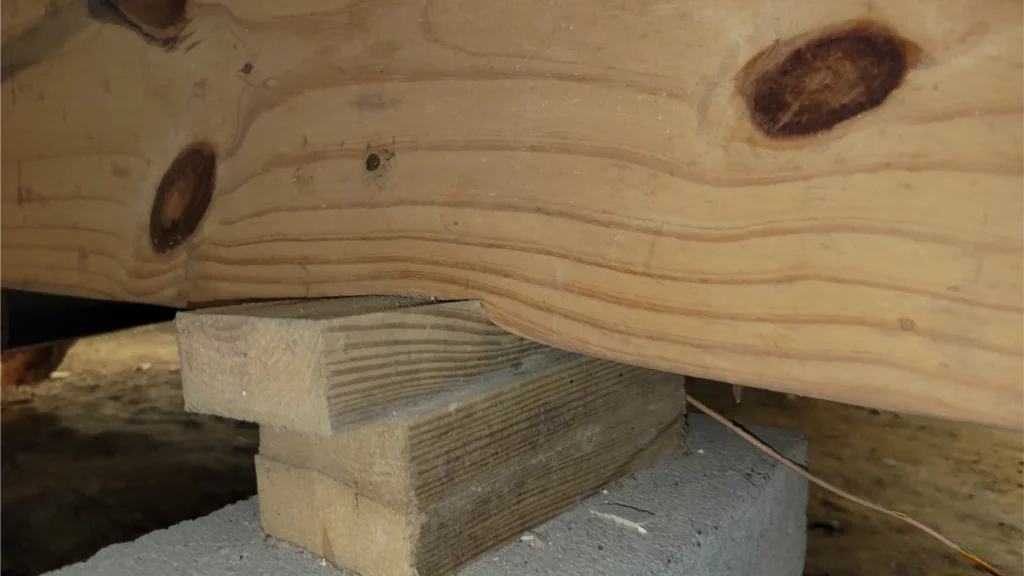
Another red flag is changes in the flooring. As wooden beams and subfloors absorb moisture, they begin to swell and lose strength. This can lead to uneven flooring, soft spots, or even noticeable buckling. Homeowners sometimes mistake this for normal wear and tear, but it often signals a moisture imbalance below.
Condensation on HVAC ducts is another telling sign. If you notice water droplets forming or even dripping from ductwork or pipes under the home, it’s a clear indication that humid air is reacting with cooler surfaces. Over time, this condensation can damage insulation and create a breeding ground for mold.
Health symptoms also provide important clues. Since a large portion of the air circulating inside the home originates in the crawl space, allergens, mold spores, and musty odors can spread upward. Families may experience unexplained allergy flare-ups, coughing, or respiratory discomfort that seems to worsen indoors.
Because these issues tend to appear gradually, they are often dismissed or attributed to unrelated causes, such as an aging home, seasonal allergies, or minor HVAC inefficiencies. Yet when these signs appear together, they almost always point to moisture control problems in the crawl space that will not resolve without intervention. The earlier a homeowner recognizes these signals, the easier and more cost-effective it is to protect both the home and the health of those living in it.
What’s Really Causing the Problem?
Crawl space moisture rarely comes from a single source: it’s usually a combination of factors working together.
One major culprit is humid outdoor air. In Georgia’s climate, air pulled in through foundation vents carries significant moisture. Once inside, that air condenses on cool surfaces and lingers.
Another common factor is the lack of a vapor barrier. Without this protective layer covering the soil, moisture from the ground evaporates directly into the crawl space, steadily increasing humidity levels.
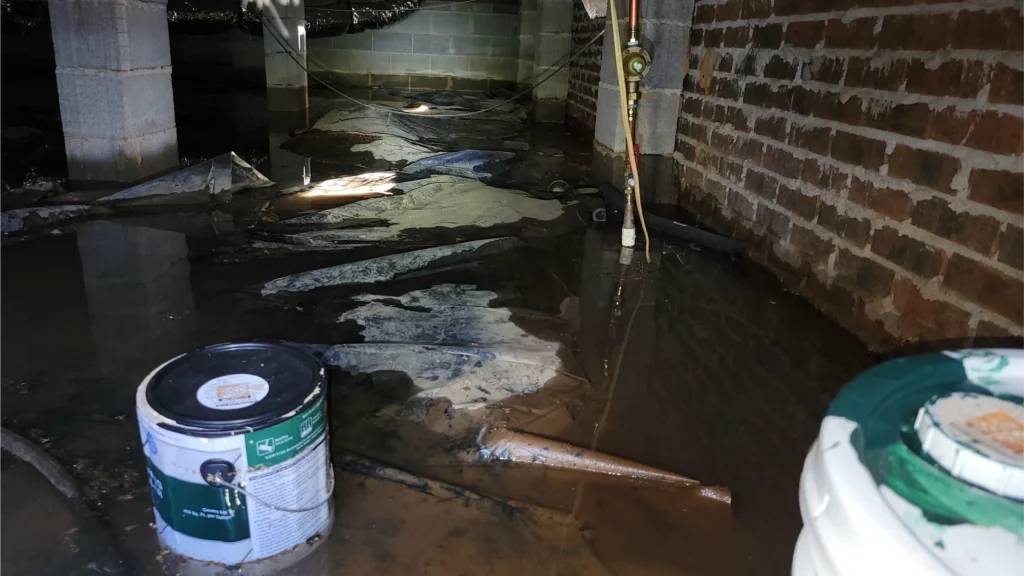
Groundwater is also a challenge. Georgia’s heavy summer rains often saturate the red clay soil around homes, and because clay drains poorly, water collects under the foundation. In many cases, crawl space designs don’t account for proper drainage, meaning that standing water remains in place for weeks at a time.
Together, these conditions create a damp environment that fuels mold, attracts pests, and weakens the home’s structure.
Long-Term Risks of Ignoring Moisture
While it may be tempting to put off addressing crawl space moisture, the problems only compound with time.
- Mold is one of the earliest issues, growing on wooden beams and insulation, and releasing spores that affect indoor air quality.
- Wood rot is another long-term consequence. Excess moisture weakens floor joists and beams, which may eventually lead to sagging or uneven floors inside the home. Structural repairs for rotted wood are far more costly than addressing moisture control early.
- Pests thrive in damp crawl spaces as well. Termites, rodents, and insects are drawn to the dark, moist environment and can quickly make themselves at home.
- Air circulating from a damp crawl space often carries allergens and contaminants throughout the house. This can worsen health issues, reduce comfort, and lower indoor air quality overall. Over time, untreated crawl space moisture becomes not only a home maintenance issue but also a health concern.
What Moisture Control Really Looks Like (and Why DIY Doesn’t Cut It)
Moisture control isn’t about short-term fixes. Placing a fan or tossing down plastic sheeting may seem like a solution, but they don’t address the underlying conditions. True crawl space moisture control involves creating a controlled environment under the home.
The first step is encapsulation, which seals off the crawl space from outdoor air. This includes installing a durable vapor barrier across the ground and walls, sealing vents, and creating a closed system. With encapsulation, the crawl space shifts from being a damp, open area to a clean, dry, and protected environment.
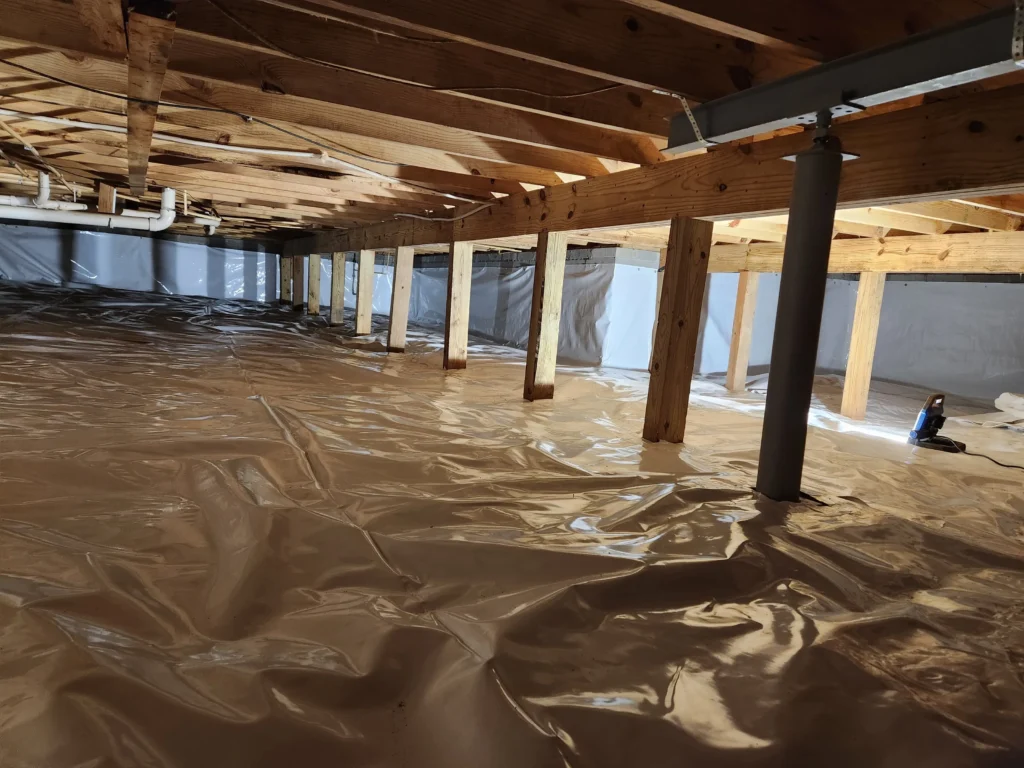
Next, a crawl space dehumidifier is installed to regulate humidity levels year-round. Unlike a store-bought unit, a professional-grade dehumidifier is designed for the unique challenges of crawl spaces, keeping moisture under control even during Georgia’s most humid months.
Drainage is also essential in many homes. If groundwater collects in the crawl space, a sump pump installation may be necessary to remove water from the crawlspace and prevent standing puddles.
Together, these measures form a comprehensive system that not only removes current moisture but also prevents future issues, ensuring the crawl space remains stable and dry for decades. DIY efforts simply can’t achieve this level of control.
Crawl Space Moisture Control, Done Right in Central Georgia
At Central Georgia Crawlspace, our focus is on long-term crawl space moisture control solutions tailored to Georgia homes. We understand how the region’s humid climate, clay soil, and foundation designs create unique challenges, and we’ve built our approach around addressing those conditions directly.
Our team provides professional crawl space encapsulation, drainage, and dehumidifier solutions designed for lasting results. More importantly, we prioritize education, helping homeowners understand exactly what’s happening under their home and why our methods work.
Learn more by contacting us online or calling (770) 654-9257 for a FREE quote.