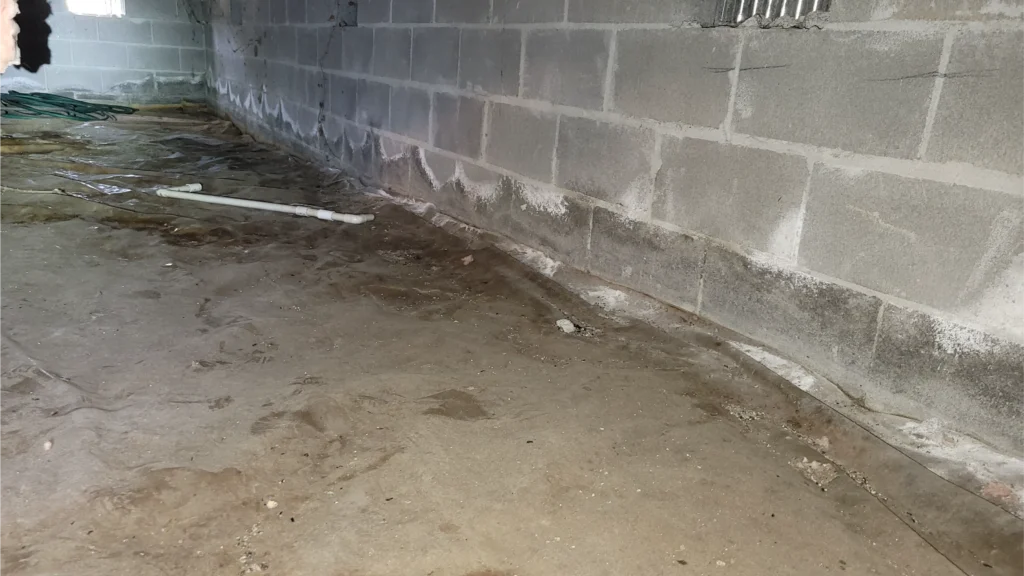
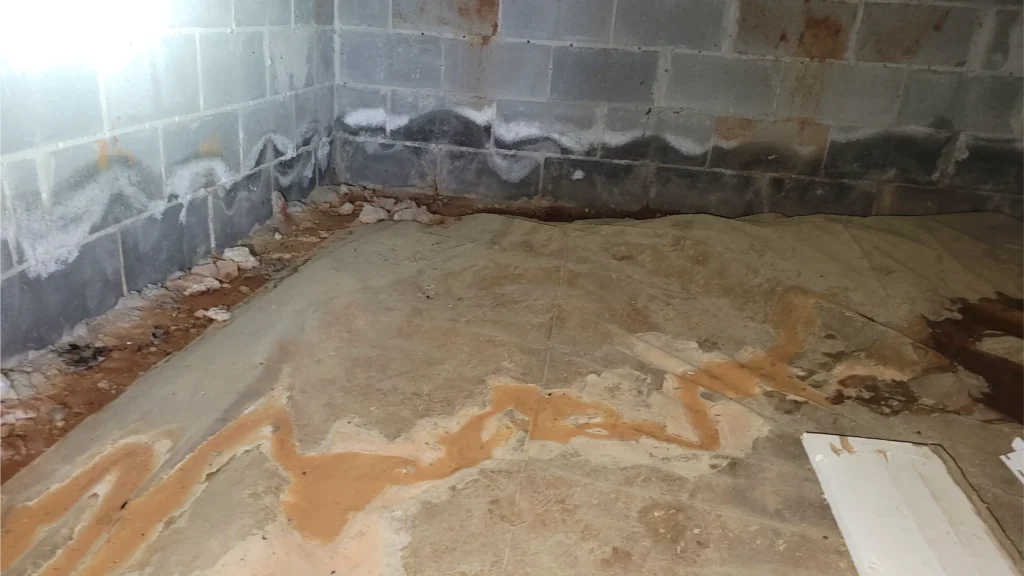
If your crawl space stays damp or musty after it rains, your home’s ventilation setup might be the problem. Many older homes in Central Georgia were built with vented crawl spaces meant to reduce moisture. However, in our humid climate, they often do the opposite.
Let’s go over the difference between crawl space ventilation and encapsulation, why traditional venting fails in Georgia, and how encapsulation can help protect your home for the long haul.
The History of Vented Crawl Spaces
Vented crawl spaces became popular in home construction during the mid-20th century. Builders believed that by adding vents, they could allow outdoor air to pass through and dry out any moisture that collected beneath the home. This method was widely used from the 1950s through the 1990s and can still be found in many homes throughout Macon, Warner Robins, Perry, Forsyth, and the surrounding areas.
The theory made sense in dry or moderate climates. But in humid regions like Central Georgia, that open-air strategy backfires.
Instead of removing moisture, those vents allow warm, wet air to flow into the cooler crawl space. Once that moist air enters, it condenses on surfaces such as floor joists, insulation, and ductwork, and creates the perfect environment for mold, mildew, and rot.
What Happens in a Vented Crawl Space in Georgia?
In Georgia, vented crawl spaces are almost guaranteed to become moisture traps. Here’s why:

- High humidity: Outdoor air in Georgia is often saturated with moisture. When that air enters the crawl space, it doesn’t dry things out but adds to the problem.
- Condensation: Warm and humid air hitting cooler crawl space surfaces causes condensation. Water droplets collect and soak wood, insulation, and subfloor materials.
- Mold growth: Mold thrives in dark, moist spaces. Once it starts growing, it spreads quickly and affects your indoor air quality.
- Energy inefficiency: Damp insulation doesn’t work as well, and HVAC systems located in the crawl space have to work harder in moist conditions, driving up energy bills.
- Pest problems: Pests like termites, rodents, and cockroaches love moist environments. Vented crawl spaces are like an open invitation.
How Crawl Space Encapsulation Works
Encapsulation is a science-backed solution that seals your crawl space from outside air and moisture. Here’s how it works:
Sealing vents and isolating from outdoor air
All exterior vents and openings are sealed, preventing humid air from entering. This isolates the crawl space from outdoor conditions.
Installing a vapor barrier
A thick and durable plastic vapor barrier is laid over the floor and up the walls. This blocks ground moisture from entering the space.
Controlling humidity with a dehumidifier
A crawl space dehumidifier keeps humidity at a safe and consistent level year-round, preventing condensation and mold growth.
By sealing off the space and managing humidity, encapsulation transforms your crawl space from a damp, neglected area into a clean, dry, and controlled environment. See how we handle crawl space encapsulation in Georgia.
Encapsulation vs. Ventilation: Pros and Cons
| Feature | Vented Crawl Space | Encapsulated Crawl Space |
| Moisture Control | Poor | Excellent |
| Energy Efficiency | Low | High |
| Air Quality | Compromised | Improved |
| Pest Resistance | Minimal | Strong |
| Installation Cost | Low upfront | Higher, but better ROI |
| Long-Term Value | Low | High |
Encapsulation is an investment—but it’s one that pays off in energy savings, fewer repairs, and better air quality.
Why Encapsulation Is the Best Solution for Georgia Homes
In Georgia, the combination of humid air and clay-rich soil makes crawl space moisture a constant threat. Clay soil holds onto water, which slows drainage after storms and keeps the area under your home damp for days. Add in high humidity and you’ve got a recipe for mold, structural damage, and rising energy costs.
Crawl space encapsulation offers the best defense for homes in this region. It provides:
- Long-term moisture control: With sealed vents and vapor barriers, outside moisture is blocked from entering.
- Improved air quality: Mold spores and musty odors are drastically reduced, leading to better indoor air for your family.
- Energy efficiency: With proper insulation and dry conditions, your HVAC system runs more efficiently.
- Pest prevention: Sealed crawl spaces are far less attractive to rodents, insects, and other pests.
- Structural protection: Encapsulation helps protect floor joists, beams, and subfloors from rot and long-term damage.
Encapsulation protects your investment and avoids costly repairs later. Learn how to keep your crawl space dry year-round in Georgia here.
Is Encapsulation Always Necessary?
In a few rare cases, crawl space ventilation might still work. Homes built on elevated land with excellent grading, natural airflow, and no history of water intrusion may not need full encapsulation.
However, these cases are the exception, not the rule. Most Georgia homes built with vented crawl spaces are already showing signs of moisture problems. And even if you don’t see water or mold yet, high humidity levels are silently weakening your home over time.
The best way to know for sure is to schedule a professional crawl space inspection. A trained expert can assess the current conditions and recommend whether ventilation or encapsulation is the right solution.
Contact Central Georgia Crawlspace for a Free Inspection!
At Central Georgia Crawlspace, we’ve helped homeowners throughout Macon, Warner Robins, Perry, and Forsyth take control of crawl space moisture and avoid expensive repairs. With over 15 years of experience, we know how to design solutions that work in Georgia’s climate.
If you’re ready to seal out moisture and protect your home from the ground up, contact us online or at (478) 347-5875 for a free crawl space assessment.