
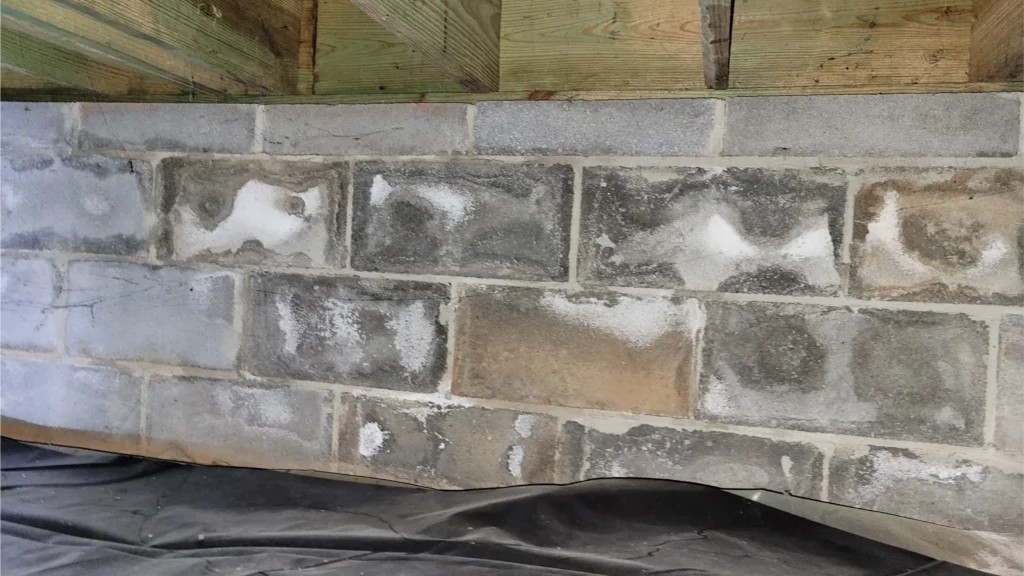
Moisture problems in your home don’t always make themselves obvious. In fact, many homeowners in Georgia live with hidden issues for years before realizing what’s going on. Whether it’s a musty smell, warped flooring, or rising energy bills, these subtle signs often trace back to excess moisture, especially in crawl spaces.
If left untreated, crawl space moisture can lead to mold growth, poor air quality, pest infestations, and structural damage. That’s why recognizing the signs early and taking action is critical.
What Is a Hidden Moisture Problem?
A hidden moisture problem refers to water or humidity accumulating in areas that aren’t easily visible, such as behind walls, under flooring, inside ductwork, or in crawl spaces. In Georgia, these issues are particularly common due to several factors, including high outdoor humidity, heavy rainfall, and stormwater runoff. Older homes, particularly those with vented or dirt-floor crawl spaces, are also more vulnerable to hidden moisture problems. Additionally, poor drainage around the foundation can exacerbate the situation.
Because moisture typically builds up slowly, many homeowners don’t notice it until it causes visible damage, by which point the repairs can be costly. Understanding where moisture hides and how to detect it early can save you time, money, and prevent further frustration.
Signs You May Have a Moisture Issue
Even if you don’t see standing water, your home may still be struggling with high humidity or water vapor intrusion. Here are some common signs of moisture in the home:
- Musty or damp odors indoors: A persistent earthy or sour smell often signals mold growth from excess moisture, especially in basements or crawl spaces.
- Warped floors or condensation on windows: Wood flooring that curls or softens, or windows that fog up, can be early warnings of moisture under the surface.
- High humidity or allergy flare-ups: Moisture feeds mold and dust mites, which can trigger respiratory issues or worsen allergies.
- Rising utility bills: If your HVAC system is working overtime to manage excess humidity, you’ll likely see it reflected in your energy costs.
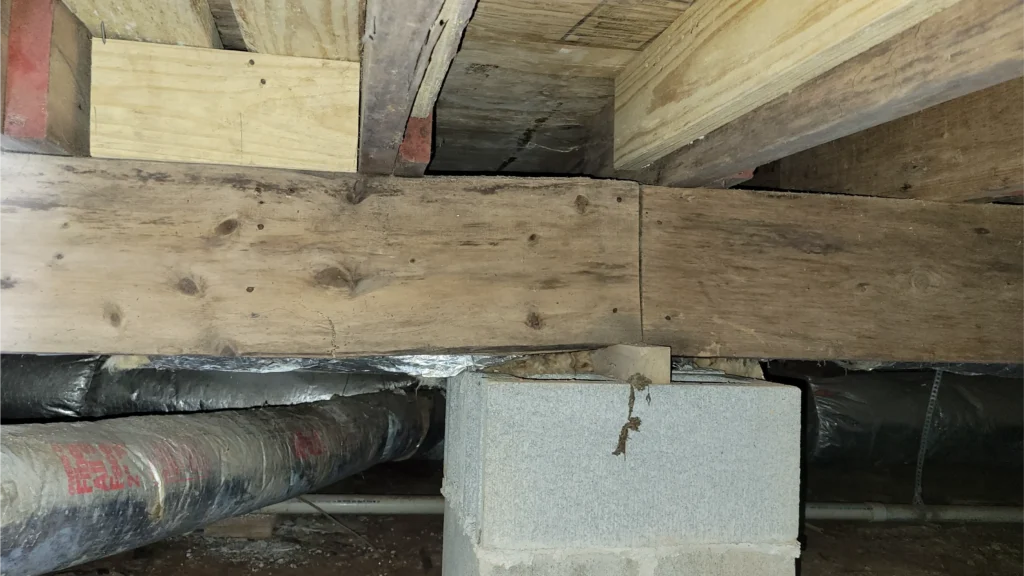
If you’ve noticed one or more of these issues, the source could be below your feet. Because 24% of U.S. homes have moisture or mold problems, and nearly 47% show at least one indicator of dampness or mold, such as visible stains, odors, or damage, it’s important to take prompt action.
Why Moisture Problems Often Start in the Crawl Space
Crawl spaces are often overlooked areas of a home, yet they play a crucial role in both indoor air quality and structural integrity. In Central Georgia, many homes have vented crawl spaces built over clay-rich soil, which tends to retain water after heavy rain or high humidity. This creates the perfect conditions for persistent moisture problems. When water lingers beneath your home, it can slowly lead to crawl space moisture and result in mold growth, wood rot, and other costly issues.
Crawl spaces are especially prone to moisture for a few key reasons. During the hot and humid summers in Georgia, vents can let in warm, damp air, which raises humidity levels quickly. If the space isn’t sealed or lined, water vapor from the soil can rise into the crawl space. Condensation from HVAC ducts or plumbing may also drip onto wooden beams, which leads to mildew or structural damage. Since around half of the air in your home comes from the crawl space, any moisture issues there can have a direct impact on the air you breathe indoors.
What to Do If You Suspect a Problem
If something feels “off” in your home, like lingering dampness, strange smells, or high indoor humidity, it’s worth checking for signs of moisture. Here are some DIY checks you can perform:
- Smell around vents and baseboards for mustiness.
- Look at the foundation vents. Is there condensation or rust?
- Buy a hygrometer and measure the indoor Relative Humidity. Is it above 50%?
- Feel your floors. Are they cold, damp, or warped?
When to Call a Professional for Crawl Space Inspection
If anything seems off, musty smells, sagging floors, or increased allergy symptoms, it’s a good idea to schedule a professional crawl space inspection. Moisture issues usually develop out of sight, but they can cause serious damage over time. At Central Georgia Crawlspace, we work with homeowners in Macon, Perry, Warner Robins, and Forsyth to identify hidden problems before they get worse.
Our trained technicians look for early warning signs you might miss, including damp insulation or floor joists, mold growth on beams or walls, high humidity levels, standing water, or pest activity. We use specialized tools to assess conditions thoroughly and give you a clear picture of what’s happening under your home.
If we find a problem, we’ll explain your options and recommend targeted solutions. Whether it’s a simple drainage fix or full crawl space encapsulation, our goal is to protect your home and improve your indoor air quality for the long term.
Schedule a Free Crawl Space Inspection with Central Georgia Crawlspace
Moisture issues don’t go away on their own, and the longer they’re left alone, the worse the damage can get. That’s why we offer free crawl space inspections for homeowners across Central Georgia.
Early detection gives you options. Whether you need a simple vapor barrier or a full encapsulation system, our team at Central Georgia Crawlspace can help you choose the solution that fits your budget and home.
Get peace of mind—book a no-cost evaluation today.
