
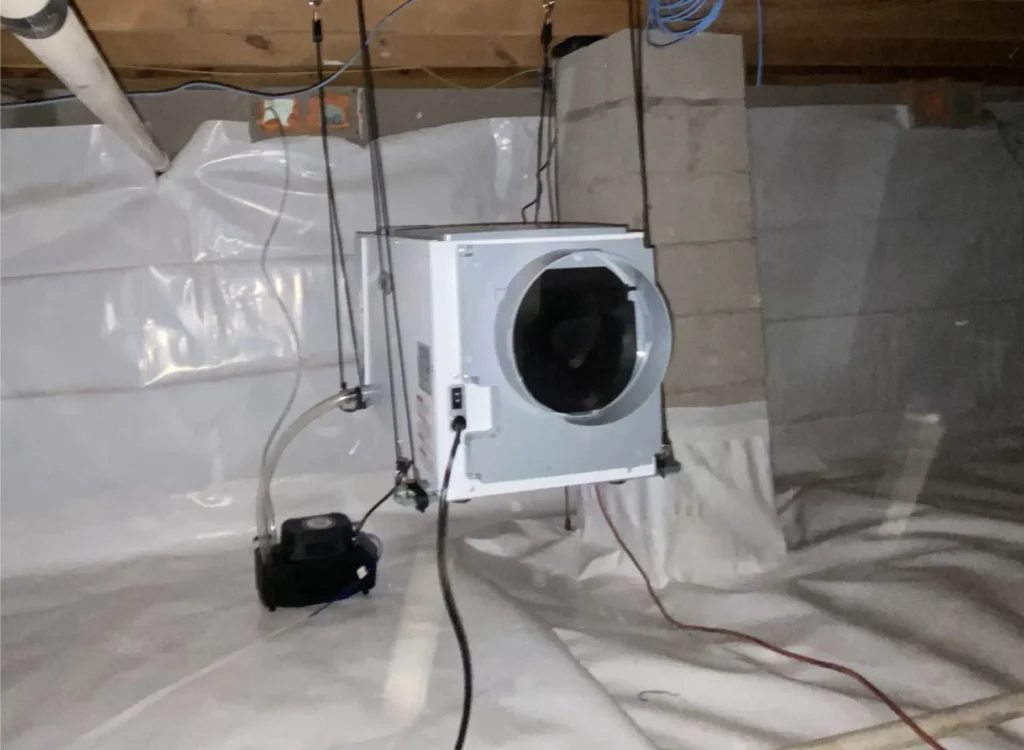
If you’ve invested in crawl space encapsulation, or are considering it, you might be wondering if a dehumidifier is really necessary. After all, shouldn’t a sealed crawl space keep moisture out? In Georgia, the answer is no. Even a fully encapsulated crawl space can develop mold, musty odors, and poor crawl space air quality without proper humidity control.
Let’s look at why moisture control in Georgia is such a challenge and why a crawl space dehumidifier is the key to keeping it dry and healthy.
Georgia’s Crawl Space Climate Creates a Moisture Trap
The warm and humid climate in Central Georgia makes crawl spaces particularly vulnerable to excess moisture. Even when your crawl space is sealed with vapor barriers and insulation, small amounts of humid air can still find its way in through gaps, access doors, or wall penetrations.
When that air cools down, it releases moisture, which collects on wood framing, insulation, and other surfaces. Over time, that trapped humidity creates ideal conditions for mold, mildew, and wood rot.
Encapsulation is an important first step, but it doesn’t eliminate crawl space humidity that’s already inside. Without active humidity control, even the tightest sealed crawl space can start feeling damp and musty again within months. That’s why a dehumidifier is an essential part of long-term protection.
What a Crawl Space Dehumidifier Actually Does
A crawl space dehumidifier works by pulling moisture out of the air before it can turn into condensation or mold. It collects and drains that water safely away from your home, keeping humidity levels in a healthy range, typically between 45% and 55%.
Think of it as the finishing touch to your encapsulation system. Encapsulation blocks moisture from entering, while the dehumidifier removes the humidity that’s already there. Together, they create a clean, dry environment that prevents mold, mildew, and musty smells from ever taking hold.
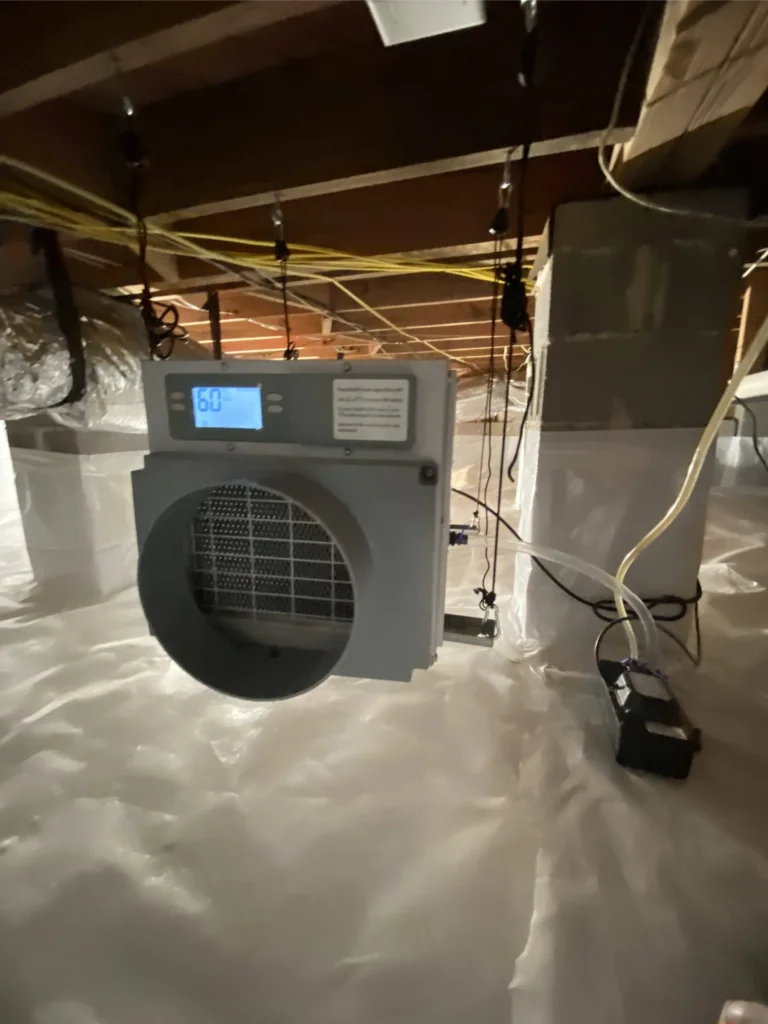
The difference is noticeable. A crawl space with both encapsulation and a dehumidifier stays dry year-round, even during Georgia’s humid summers. You’ll also notice fewer odors indoors and more stable air throughout your home because cleaner air rises from below.
If you want to see more about how these systems work together, check out our guide on how dehumidifiers work in crawl spaces.
What Happens If You Skip It?
It’s easy to think that sealing the crawl space is enough, but without a dehumidifier, moisture can still build up over time. Warm air from the ground or your foundation walls carries humidity into the crawl space, and when that air cools, condensation forms.
That lingering moisture leads to mold growth, musty odors, and an increase in airborne particles that affect crawl space air quality. Those contaminants rise into your home through small openings, floor joints, and HVAC ducts. If your crawl space remains damp, you may notice symptoms like:
- Persistent musty smells
- Condensation on ductwork or insulation
- Mold growth on wood framing
- Higher energy bills due to overworked HVAC systems
- Increased allergies or respiratory irritation
Over time, moisture also weakens your home’s structure. Wood rot, rusted supports, and sagging insulation are common problems in crawl spaces without dehumidification. In short, skipping the crawl space dehumidifier might save money upfront, but it often leads to expensive repairs and health issues later.
How to Improve Air Quality from the Ground Up
The air quality in your home starts in your crawl space. Due to the “stack effect,” air from the lowest part of your home naturally moves upward, meaning contaminants or moisture below can affect what you breathe indoors.
Crawl space encapsulation and a dehumidifier work together to stop this. Encapsulation blocks outdoor moisture, while the dehumidifier keeps humidity at safe levels year-round, protecting your home’s structure and improving indoor air quality.
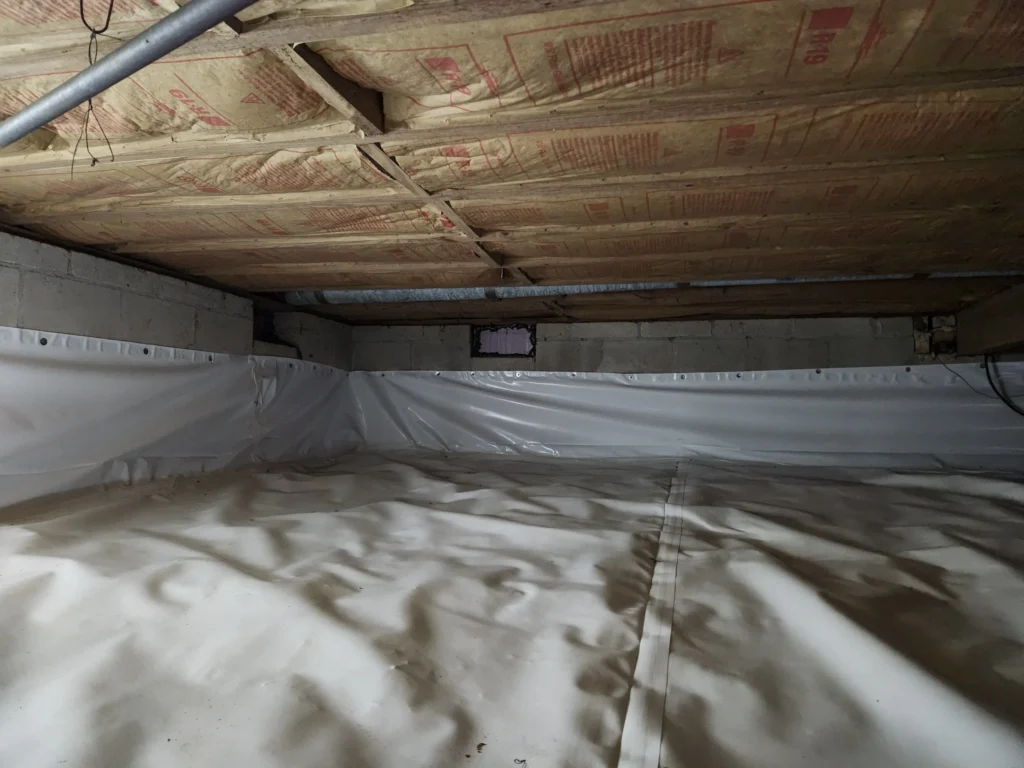
Your HVAC system alone can’t solve the problem. It controls temperature, not moisture, so running it harder may lower humidity upstairs temporarily, but it won’t dry a damp crawl space. Real results come from tackling humidity at the source.
Central Georgia Crawlspace offers full moisture control solutions that combine encapsulation, drainage, and mold and odor removal to restore your home’s air quality from the ground up.
The Bottom Line for Georgia Homeowners
In Georgia, a crawl space dehumidifier is essential. Our climate makes humidity control a year-round challenge, and without it, even the best encapsulation systems can fall short. A dehumidifier ensures your crawl space stays dry, prevents mold growth, and keeps contaminated air from entering your home.
If you’ve already encapsulated your crawl space but notice lingering dampness or odors, adding a dehumidifier can make a major difference. It’s the piece that completes the system, protecting your home’s structure, energy efficiency, and indoor air quality for the long haul.
Contact Central Georgia Crawlspace to Learn More About Crawl Space Solutions Today!
At Central Georgia Crawlspace, we understand how local weather and soil conditions affect your home’s foundation. Our team specializes in crawl space encapsulation, dehumidifiers, and drainage systems that keep your crawl space dry and your home healthy.
Protect your home’s structure, air quality, and comfort today. Contact us online or call (770) 654-9257 for a free inspection.